
The Building Journey: What Ministry Leaders Should Know Before Breaking Ground
During a building project or renovation, every decision can feel significant and overwhelming. The stakes are high, and the process might be unfamiliar. But it doesn’t need to feel this way.
With the right approach and the right partner, a church building project can actually become one of the most clarifying seasons of your ministry. A reimagined building can offer a new step forward. It creates a space that empowers your people, reflects your calling, and supports the work God has already set in motion.
What Makes Ministry Architecture Different?
On the outside, a church building may look similar to a school, theater, or community center. But the purpose behind it is very different. And that purpose changes everything.
Ministry architecture first starts with a mission. It asks how the space can support worship, discipleship, outreach, and community life.
Five Phases of a Ministry Building Project
Every church project process is unique, but most follow a similar path. Understanding these phases helps you lead with confidence and clarity.
Worship and Spiritual Formation Driving Design
1. Vision & Discovery: Listening First
Before sketches, budgets, and timelines, everything starts with listening. This phase is about slowing down and taking the time to uncover your ministry’s story, values, and goals. What is God calling your church to become? Who are you trying to reach? Where are your current spaces helping or holding you back?
Teams often jump straight into planning how to build a church without taking time to first reflect. However, the strongest projects begin with deep conversations and lots of space to let your needs be heard. When you’re working with an architect who listens first, your building becomes a true expression of your ministry.
2. Planning & Design: Clarifying Opportunities
After your vision becomes clear, design can begin. This is the step where ideas take shape, options are explored, and priorities are refined. Great ministry facility design balances inspiration with practicality. It considers how people will move through spaces, how ministries interact, and how flexibility can support future growth.
This is also where choosing a church architect is important. You want to work with someone who understands ministry dynamics, not just building codes. Your design needs to serve the real people who will be walking through your doors.
3. Generosity: Fueling the Vision
Most church building projects require the generosity of your community. This also gives your congregation the chance to invest in the ministry’s vision together.
During this phase, the formal timeline with your architect may pause, but support and guidance will not disappear. This step is all about alignment, ownership, and shared purpose. When done well, it strengthens your church spiritually as much as it prepares you financially.
4. Documentation & Approvals: Navigating the Details
With vision and funding in place, the focus shifts to technical documentation. This includes detailed drawings, engineering coordination, and securing permits.
While this step may feel less exciting, it is critical for a smooth construction experience. Having an experienced guide will help you navigate codes, avoid costly missteps, and keep the project aligned with your original vision.
5. Construction: Bringing It to Life
Construction is where the abstract ideas start to become tangible. Walls go up. Spaces take shape. Momentum builds. However, this phase still requires careful leadership. Clear communication, accountability, and problem-solving are essential to keeping the project on track. A well-led church construction project ensures that what gets built matches what was envisioned.
Completion & Beyond: Spaces That Serve
Opening your doors is not the finish line. It’s the beginning of a new chapter – one that actively supports your ministry week after week, year after year. The best outcomes emerge when spaces are evaluated, refined, and are continually being aligned with how your ministry is growing and evolving.
Common Questions Ministry Leaders Ask
How long does the process take?
It depends on the scope, but most projects take several years from vision to completion. Remember, clarity is key. Rushing decisions early on will often lead to delays later. A thoughtful pace creates better solutions.
How do we know we’re making the right decisions?
Clarity comes from alignment. When your decisions consistently reflect your mission, values, and people, you’re on the right path. This is where experienced guidance helps – bringing perspective, asking the right questions, and helping you see things you may have otherwise missed.
What should our building committee focus on?
Your building committee plays a vital role. Their focus should be on asking thoughtful questions, representing the congregation well, and staying anchored to the vision. They help ensure decisions are collaborative, considered from all angles, and rooted in what matters most.
A Different Kind of Role: Creative Opportunity Clarifiers
At Station 19, we see our role differently. We’re not just designers. We’re Creative Opportunity Clarifiers. This means we help you uncover possibilities you may not have considered, simplify complex decisions, and bring clarity at every step. We listen, guide, and help you move forward with confidence, empowering your ministry throughout the entire journey.
A Story of Empowerment
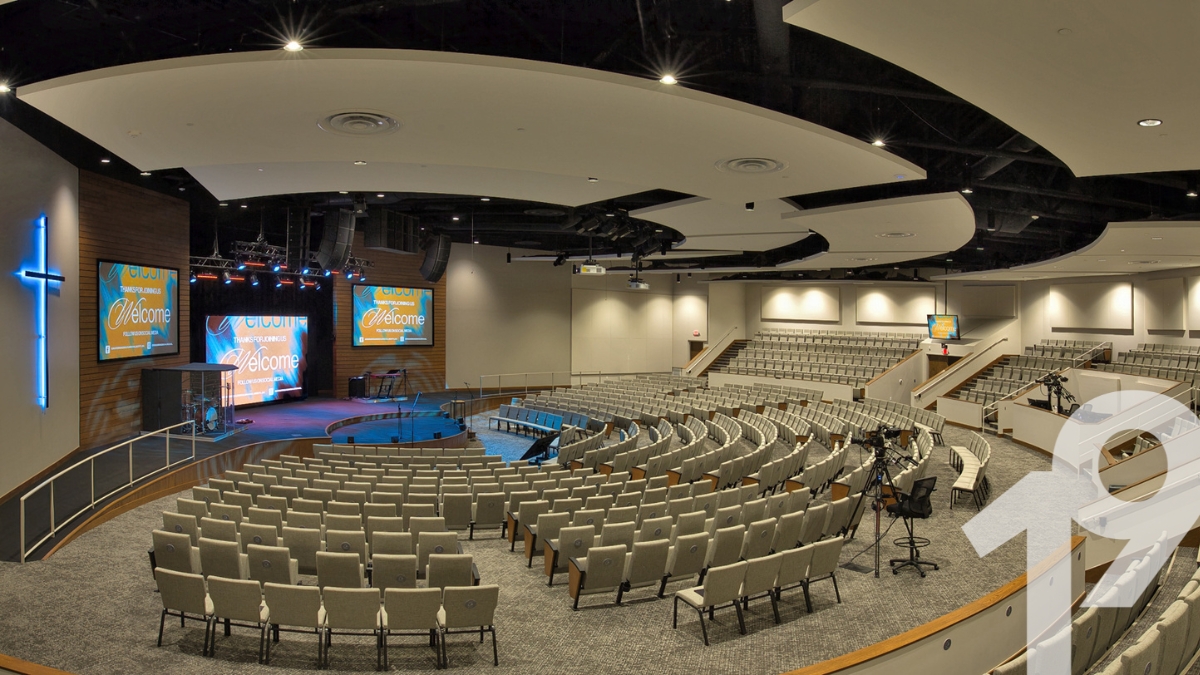
Crossroads Church in Albert Lea, MN needed help figuring out how to expand. Their existing facility wasn’t keeping up with the pace of how fast their church was growing. At Station 19, we worked with them to find a solution for ways of expanding their building and helping it better reflect their values and mission.
Throughout this project, we spent time getting to know and understand Crossroads’ ministry, their people, and their challenges. Over time, clarity replaced confusion, and growth became possible. This empowered Crossroads to move forward in their ministry. From the moment they opened their doors, they felt more confident in welcoming new faces and seeing their community flourish.
You Don’t Have to Navigate This Alone
The right partner in a ministry building project brings perspective, guidance, and a commitment to listening first. Our team at Station 19 Architects can help you move from uncertainty to clarity and from vision to reality. In the end, this journey isn’t just about completing a construction project. It’s about creating a space that empowers your ministry to thrive.
